
English| USD
Suggested for you
More currencies
Choose a language
The 220-kilometer drive between Egypt's two largest cities follows a well-maintained toll highway through the Western Desert. Thousands of drivers make this journey daily, but road safety depends on preparation, timing, and awareness of local driving conditions.
Quick answer
Driving from Cairo to Alexandria is generally safe when using the Desert Road, Egypt's primary highway linking the two cities. The route features a modern, divided toll road with rest stops and emergency services. Risks increase significantly with nighttime driving, speeding, and unfamiliarity with Egyptian traffic patterns. Early morning departures between 06:00 and 10:00 offer the safest conditions, avoiding both heavy traffic and afternoon heat.
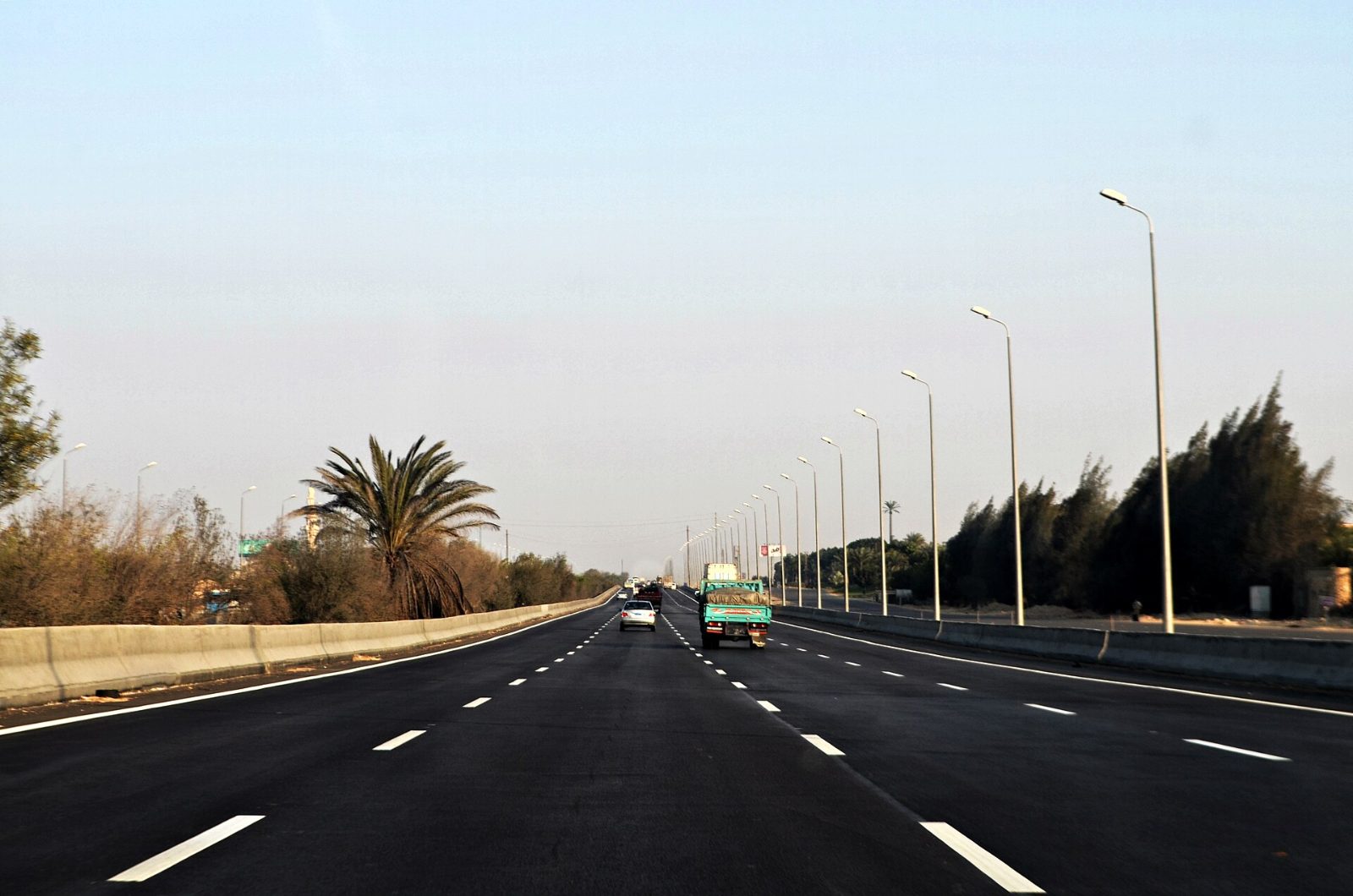
The Cairo-Alexandria Desert Road carries more commercial and passenger traffic than any other highway in Egypt, with infrastructure that reflects its strategic importance. The toll road replaced the older agricultural route through the Nile Delta, cutting travel time and reducing accident rates through controlled access and separated lanes. Road safety on the Cairo to Alexandria highway stems from consistent pavement quality, clear lane markings, and regular police presence at checkpoints. The Egyptian government invested heavily in resurfacing and widening sections between 2018 and 2024, adding concrete barriers in the median and expanding shoulders for emergency stops. Rest stations appear every 40 to 50 kilometers, offering fuel, food, and mechanical assistance during daylight hours. The primary hazards involve driver behavior rather than road conditions. High-speed driving remains common despite posted limits, and overtaking maneuvers often occur with minimal warning. Defensive driving becomes essential, particularly when sharing lanes with heavy trucks hauling cargo between Mediterranean ports and Cairo's industrial zones. Sandstorms during spring months can reduce visibility to near zero within minutes, making weather monitoring part of pre-departure planning. Night driving amplifies every risk factor. Lighting coverage remains inconsistent outside urban approaches, and fatigue-related incidents spike after sunset when drivers push through without adequate rest. The question of whether the Cairo-Alexandria route is safe depends less on infrastructure and more on departure timing, vehicle condition, and driver experience with Egyptian highways. Local drivers recommend full tank fills before entering the desert stretch, current insurance documentation, and mobile credit for toll gates that increasingly shift to electronic payment systems.
“The Desert Road replaced the older agricultural route, cutting travel time and reducing accident rates through controlled access and separated lanes.”
The primary route connecting Cairo to Alexandria is the Cairo-Alexandria Desert Road. This major highway serves as the most direct path for those choosing to drive independently between the two cities.
Cairo-Alexandria Desert Road
West Delta Bus/Go Bus from Cairo stations
Egyptian National Railways from Ramses Station
The Cairo-Alexandria Desert Road is the standard access point for visitors. Following the best arrival window of 06:00–10:00 is recommended to avoid peak traffic congestion and daytime heat.
Timing your departure is a critical factor in driving safety, with the best arrival window being 06:00–10:00 to minimize exposure to heavy traffic and high temperatures. Starting early allows you to navigate the Cairo-Alexandria Desert Road before peak congestion periods develop.
Mild, 20°C to 28°C. Ideal conditions for desert driving visibility.
Hot, often exceeding 35°C. Early morning starts are essential to avoid heat.
Pleasant, 22°C to 30°C. Stable weather patterns support predictable travel.
Cool, 10°C to 18°C. Fog can occur, requiring reduced speeds and high vigilance.
Verdict: The best time to travel is during the spring or autumn months, consistently scheduling your departure for the 06:00–10:00 window.
Driving from Cairo to Alexandria on the public highway does not require an entrance fee. However, travelers using the Cairo-Alexandria Desert Road must account for mandatory toll fees.
Verdict: A typical driver pays 0 EGP for road access, though the final cost depends on the specific toll fees applied to their vehicle type on the Desert Road.
First-time drivers often underestimate the route's specific challenges. These mistakes can turn a straightforward journey into a stressful experience.
Driving during Cairo's rush hour (07:00–09:00, 16:00–19:00)
Leave Cairo before 07:00 or after 10:00 to avoid congestion that can double your travel time. Early morning starts also help you avoid midday heat.
Ignoring fuel stops on the Desert Road
Fill up before entering the Desert Road. Petrol stations are sparse along the route, and running low leaves you stranded in an area with limited services.
Speeding on the well-maintained highway
Stick to posted limits (100–120 km/h). Police checkpoints and speed cameras are common, and fines are issued on the spot. Excessive speed also increases accident risk.
Driving tired or alone on long stretches
Share driving duties if possible, and take a break at the Wadi Natrun rest area. Fatigue is a leading cause of single-vehicle accidents on monotonous desert roads.
Skipping vehicle checks before departure
Inspect tyres, coolant, and spare wheel. Desert heat stresses engines and tyres, and breakdowns require waiting for roadside assistance in exposed conditions.
Confirm documentation, vehicle condition, and emergency supplies before departing Cairo.
Everything you need to know about is it safe to drive from cairo to alexandria
Driving between these cities is common for residents and visitors, provided you follow standard road safety practices on the main desert highway. Maintaining focus and adhering to speed limits are the best ways to ensure a secure journey.
The best arrival window is 06:00–10:00 to avoid peak traffic and daytime heat. Traveling during these hours helps ensure a smoother trip across the desert terrain.
There is no entrance fee for the public highway, but toll fees apply on the Cairo-Alexandria Desert Road. Ensure you have small change available for these checkpoints.
Many families travel this route regularly, as it is a major transit artery connecting the capital to the coast. Planning your departure during the recommended morning window helps keep the journey manageable and comfortable for everyone.
When asking is it safe to drive from Cairo to Alexandria, the primary considerations are heavy vehicle traffic and navigating metropolitan intersections. Staying alert and utilizing GPS navigation assists in managing these typical Egyptian road conditions.
Many travelers find that a professional Alexandria day tour from Cairo offers a stress-free alternative to self-driving. This allows you to view historic Mediterranean landmarks and local heritage sites without the burden of navigating highway logistics.
While the road remains open, it is generally recommended to travel during daylight hours for better visibility. Stick to the 06:00–10:00 arrival window to maximize safety and reach your destination well before nightfall.